Helping Kids Understand Natural Disasters: A Parent’s Guide
Published: 6th February 2023
Updated: 26th June 2026
Published: 6th February 2023
Updated: 26th June 2026
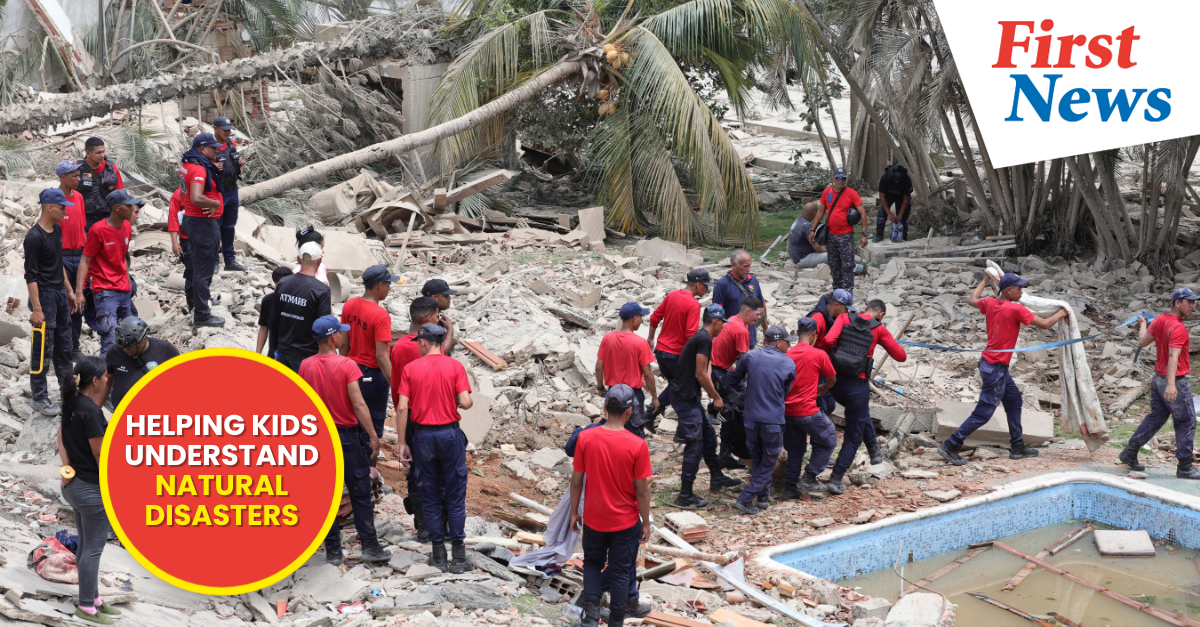
Your children might have questions about major earthquakes and natural disasters, particularly following the devastating earthquake in Venezuela. Here are some age-appropriate facts and guidance to help you discuss the topic.
Earthquakes are a natural disaster and occur when the tectonic plates that make up the Earth’s surface crash into or brush past each other. This can cause the ground to shake and open up large cracks in the Earth’s surface.
Earthquakes happen somewhere in the world every day. But most of them don’t cause any damage.
The severity of earthquakes is measured using the Richter scale. It is a system used to measure the strength or magnitude of an earthquake. It looks at the amount of ground shaking and energy released from an earthquake.
A natural disaster is an event caused by nature that results in devastation. It can cause loss of life, damage to homes and buildings, and destruction to some communities. Examples of a natural disaster include: hurricanes, floods, drought, wildfires, volcanoes, earthquakes, landslides, and tsunamis.
In the UK, earthquakes do occur, but they are so small you most probably won’t even realise one has happened. The geology of much of the UK is pretty old – hundreds of millions of years – and it is riddled with ancient fault lines that were once very active but are virtually extinct now.
When there is too much water in one place, often because of heavy rainfall, it can cause a flood. There are different types of floods. River flooding is when rivers ‘burst their banks’ and overflow, spilling water into the surrounding area. Groundwater flooding is when the soil is so wet it can’t absorb any more moisture. Coastal flooding is when the land gets flooded by seawater – this can be caused by high tides or extreme weather.
A flash flood is when flooding happens very quickly, often leaving people with little or no time to get to higher ground.
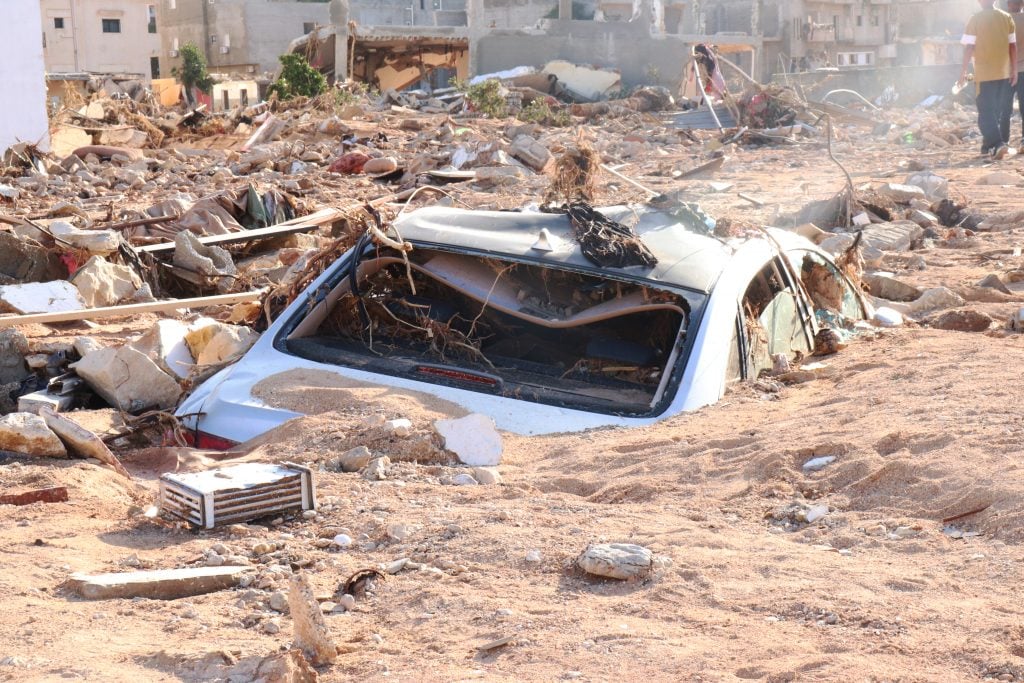
Yes. Extremely heavy rain can cause river and groundwater floods that impact communities. Our streets have drains to collect rainwater, but sometimes they fill up, or get blocked and clogged by litter and debris, meaning that water can’t wash away. The military are often called in to help when there is serious flooding.
On Wednesday 24 June, Venezuela was hit by two huge earthquakes.
The quakes, with magnitudes of 7.2 and 7.5, struck just a minute apart with the second being the strongest earthquake to hit the country since 1900.
Over 200 people are known to have died with thousands still missing.
The capital city of Caracas was worst affected, with some buildings falling. The US Geological Survey says thousands of people could have been killed in total as rescuers continue to search through the rubble.
Countries from around the world have pledged aid and support.
Written by First News Editor-in-Chief, Nicky Cox MBE, click here to read useful information and tips on how to discuss scary new stories such as natural disasters with your children.
If you wish to read more insightful pieces that could be discussed with your children, visit the Talking Points section of our website.
Find out all the ways you can access First News at home and at school!
First News reaches millions of young readers every week, at home and at school. Our age-appropriate news stories and activities spark curiosity, build media and information literacy skills and empower children with the tools to navigate the world.