What does the new social media ban mean for your kids?
Published: 16th June 2026
Updated: 1st September 2026
Published: 16th June 2026
Updated: 1st September 2026
The government has announced a social media ban for under 16s. Here’s all you need to know.
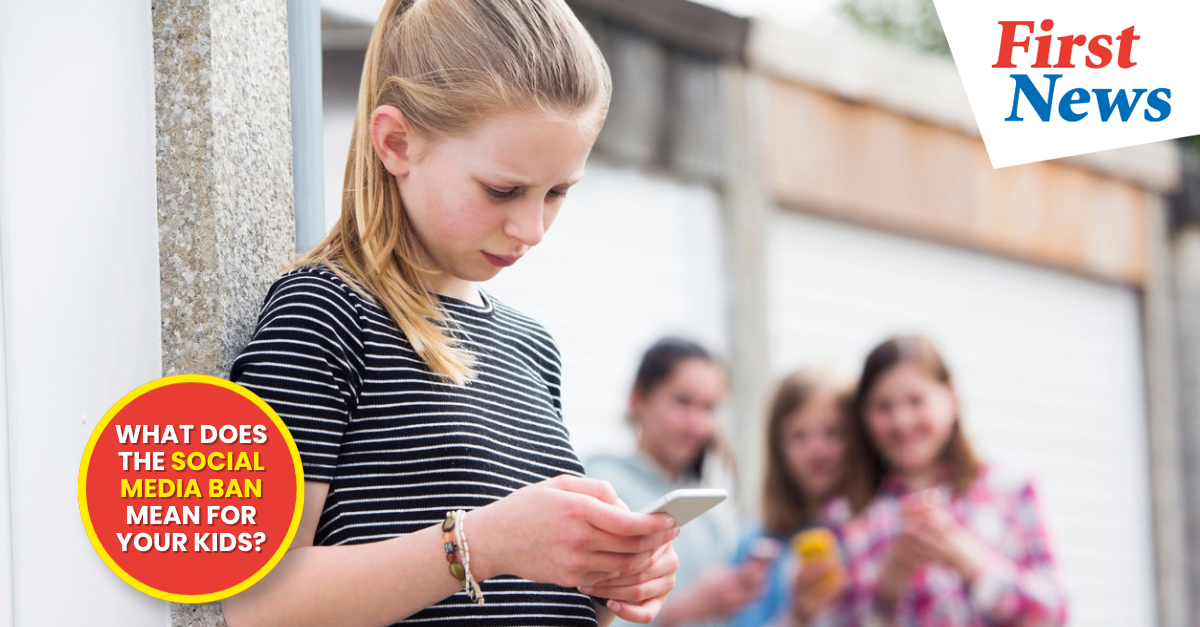
On 15 June, the government announced a ban on social media for under-16s. This has been a divisive decision. Many parents are celebrating, seeing this as a fantastic step forward for online safety. Others wonder whether the issue is more nuanced. Whatever your view, you may be looking for ways to discuss the change with your child. Here’s a clear rundown, plus some practical ways to start the conversation.
The Prime Minister has confirmed a full ban on social media accounts for children under 16. The platforms will be responsible for keeping under-16s off their apps — not parents, and not children themselves. Companies who fail to act could face heavy fines.
It’s worth knowing this isn’t law yet. The first rules will be set out by the end of the year, with the ban itself expected in spring 2027 – so nothing changes for your family overnight.
The ban covers the big social platforms: Snapchat, TikTok, YouTube, Instagram, Facebook and X – any app where creating and responding to content is the key driver of use.
It doesn’t cover messaging apps like WhatsApp and Signal, or YouTube Kids. Children will still be able to message friends and family, game with people they know, and read the news online. Teens aged 16 and 17 will keep their accounts, though features like livestreaming and messages from strangers will be switched off by default.
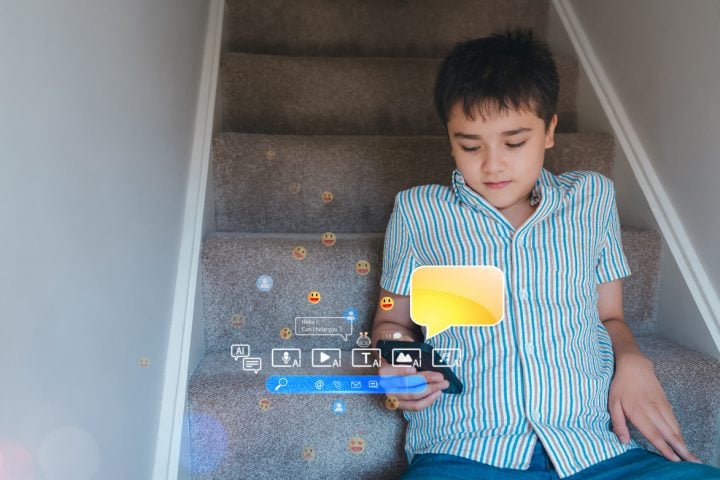
Ministers point to growing evidence linking heavy social media use to sleep problems, anxiety and low mood in young people. The concern isn’t only what children see, but how the apps are built — endless scrolling, autoplay, and feeds designed to hold attention for as long as possible.
The UK is following Australia, which brought in a similar ban in December 2025. Ministers say the British version will go further, with extra protections around gaming and livestreaming.
The ban has split opinion. A petition against it has already gathered more than 130,000 signatures, and some children’s charities argue the focus should be on making platforms safer by design, rather than locking children out altogether. Others worry about the age checks involved, which could lead to adults needing to prove their age across much of the internet.
Plenty of children will feel strongly too — for many, these apps are where their friendships live. This is worth keeping in mind as the conversation comes up at home.
The detail will firm up over the coming months, so this is the start of a longer conversation rather than a one-off chat. Coming back to it as things change will help your child feel part of the decision, not on the receiving end of it.
First News reaches millions of young readers every week, at home and at school. Our age-appropriate news stories and activities spark curiosity, build media and information literacy skills and empower children with the tools to navigate the world.