Why Media Literacy Can’t Wait for the Curriculum to Catch Up
Published: 10th January 2026
Updated: 4th February 2026
Published: 10th January 2026
Updated: 4th February 2026
Children are growing up in a world where information is everywhere, but trust is harder than ever. Read this blog to discover why children can’t afford to wait for the new curriculum to start learning crucial media literacy skills.
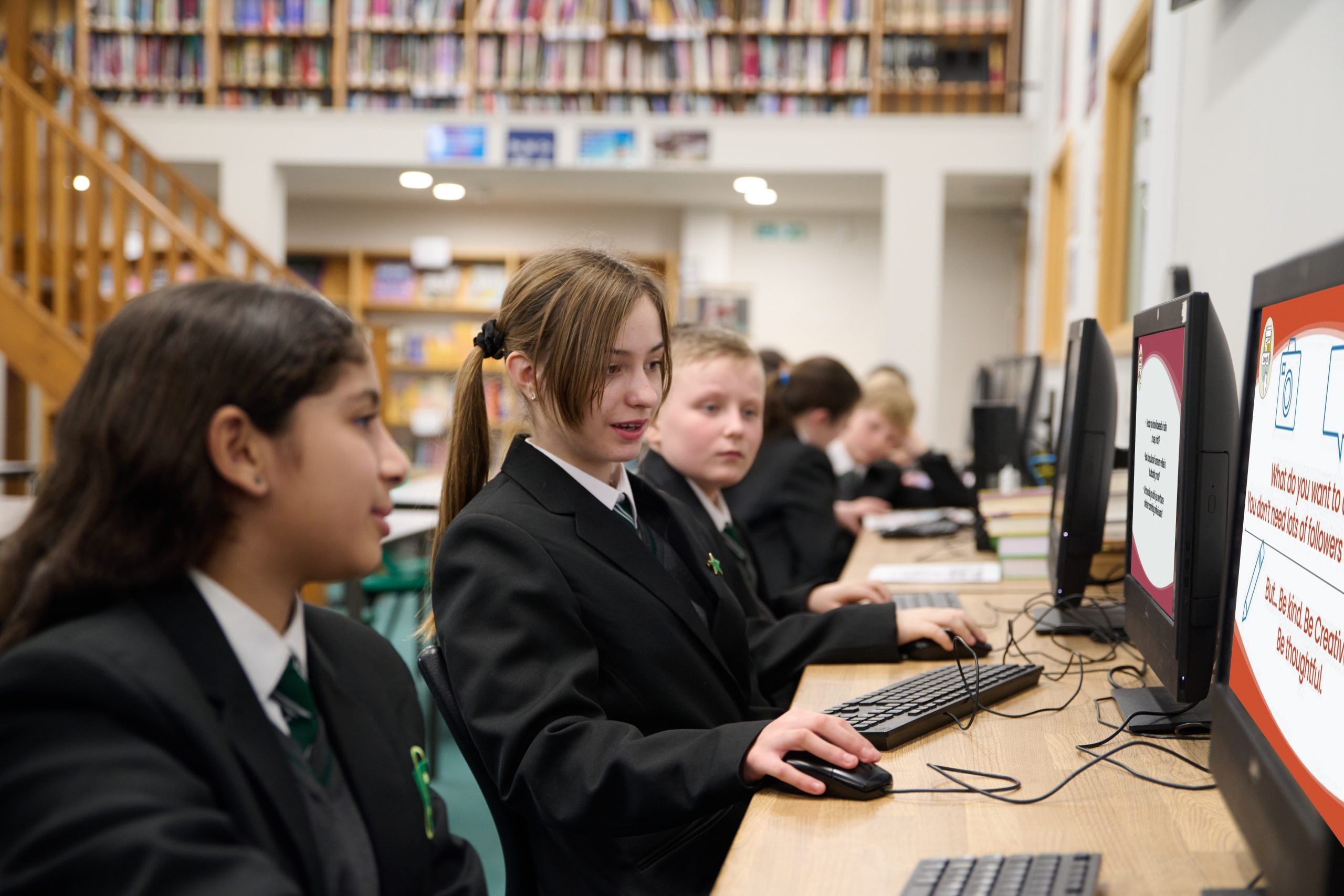
From social media feeds and group chats to headlines, livestreams and AI-generated content, young people are navigating a constant stream of information. Some of it is reliable, but much of it can be misleading. Increasingly, it’s hard for anyone to tell the difference. That’s why media literacy isn’t a “nice to have”. It’s a life skill. Children need it now – not later.
Media and information literacy (often shortened to MIL) is the ability to access, understand, evaluate and create information across different formats. This includes everything from newspapers and books to social media, video platforms and AI-generated content.
In practical terms, MIL helps children to:
These aren’t abstract skills. They affect how children understand the world – and their place in it – every single day.
Children are surrounded by fast-moving information. Technology and news evolve far quicker than the curriculum. We cannot expect young people to work all this out alone.
Many children ask:
These questions tell us something important: children want help. They are aware that misinformation exists. They just don’t yet have the tools to navigate it confidently.
Teaching media literacy gives children a strong foundation to critically consume and create content, instead of feeling overwhelmed by it.
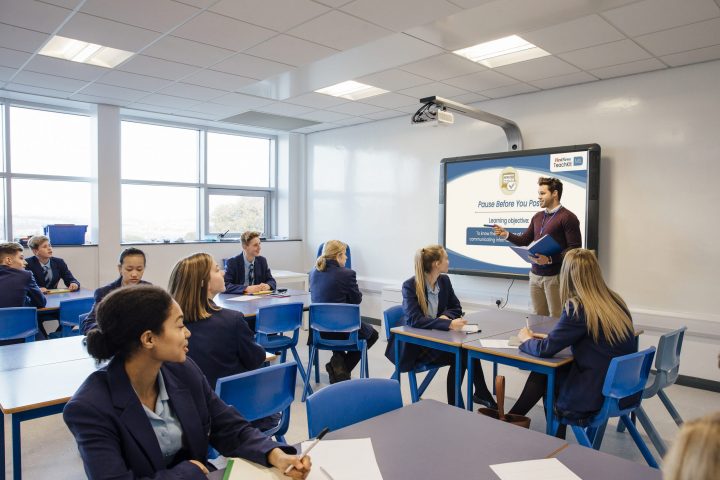
Media literacy appears in subjects like English, computing and citizenship. That is helpful, but it is not enough.
The challenge schools face:
When media literacy is squeezed in “where possible”, coverage becomes patchy. Consequently, pupils miss out on structured progression.
The 2025 Curriculum and Assessment Review highlights the importance of MIL. But, recognising its importance isn’t the same as ensuring it’s taught well.
To be effective, media literacy needs:
Without that, it risks becoming another well-intentioned idea that’s hard to deliver in practice.
| The big squeeze | Dedicated media literacy teaching |
| Hard to track | Clear objectives and progression |
| Inconsistent delivery | Plug-and-play lessons |
| Easily sidelined | Time-flexible formats |
| Extra pressure on staff | Builds confidence for teachers and pupils |
When media literacy is taught clearly, it becomes manageable, measurable and far more impactful.
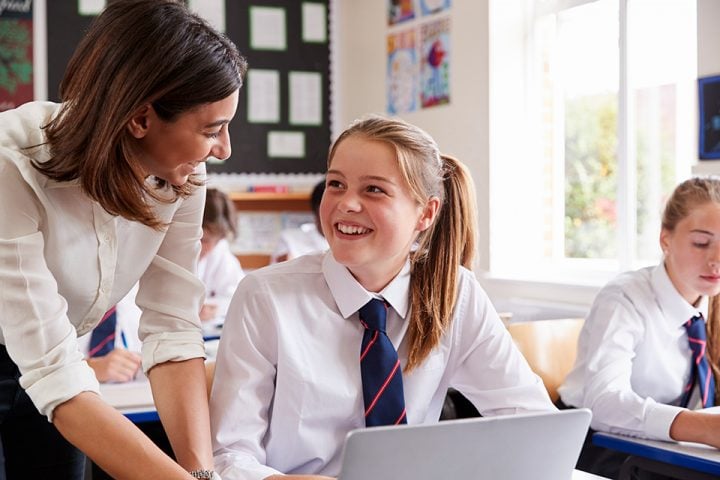
At First News, we poll thousands of children every week on issues that matter to them. Again and again, their responses reveal gaps in understanding around:
This isn’t about blaming young people. It’s about recognising that they are growing up in a media landscape no previous generation has faced.
The earlier children learn these skills, the more confident and resilient they become.
MIL can feel daunting to teach, especially when topics are complex or politically charged. But it doesn’t have to be overwhelming.
At First News, we work with educators, media experts and the Media and Information Literacy Alliance (MILA) to create resources that:
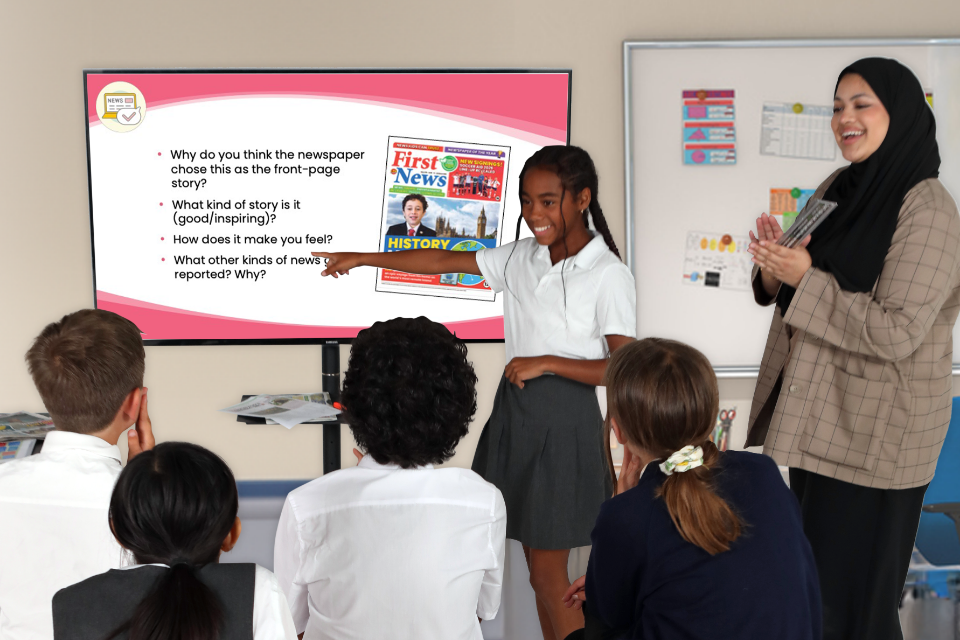
Lessons can be delivered as short, focused activities, assemblies or deeper classroom discussions. This makes media literacy realistic, not intimidating.
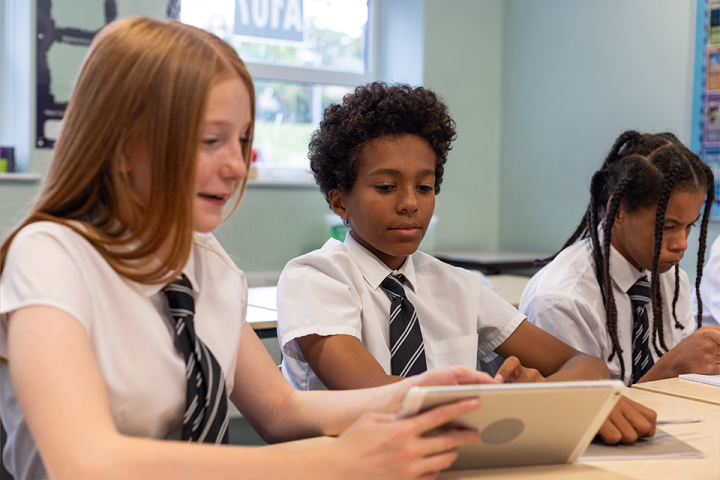
“The dynamic lesson plans, drawing on current stories and areas of interest, are a valuable and timely resource. They give teachers credible and expert guidance on how to approach what are often challenging themes.”
Standards & Effectiveness Partner, KS2
“With children seeing so much online, it is vital that they are given the tools to think critically, question responsibly, and engage thoughtfully.”
Primary Deputy Head
“It offers an off-the-shelf spiralled curriculum with clear objectives and a workable framework.”
Secondary Teacher & SENCO
Media literacy helps children make sense of the world. It empowers them to question, to think independently and to participate confidently in society.
The good news? Schools don’t have to wait for curriculum change to get started, and they don’t have to do it alone.
At First News, we believe every child deserves access to trustworthy information and the skills to understand it.
Start a free 4-week school-wide trial of TeachKit: Media & Information Literacy today, to equip young people with these crucial skills.
First News reaches millions of young readers every week, at home and at school. Our age-appropriate news stories and activities spark curiosity, build media and information literacy skills and empower children with the tools to navigate the world.