4 ways for engaging reluctant readers with the School Library Association
Published: 7th May 2026
Updated: 11th May 2026
Published: 7th May 2026
Updated: 11th May 2026
The SLA’s Secondary School Librarian of the Year, Julie Broadbent, shares her tips for fostering a love of reading.
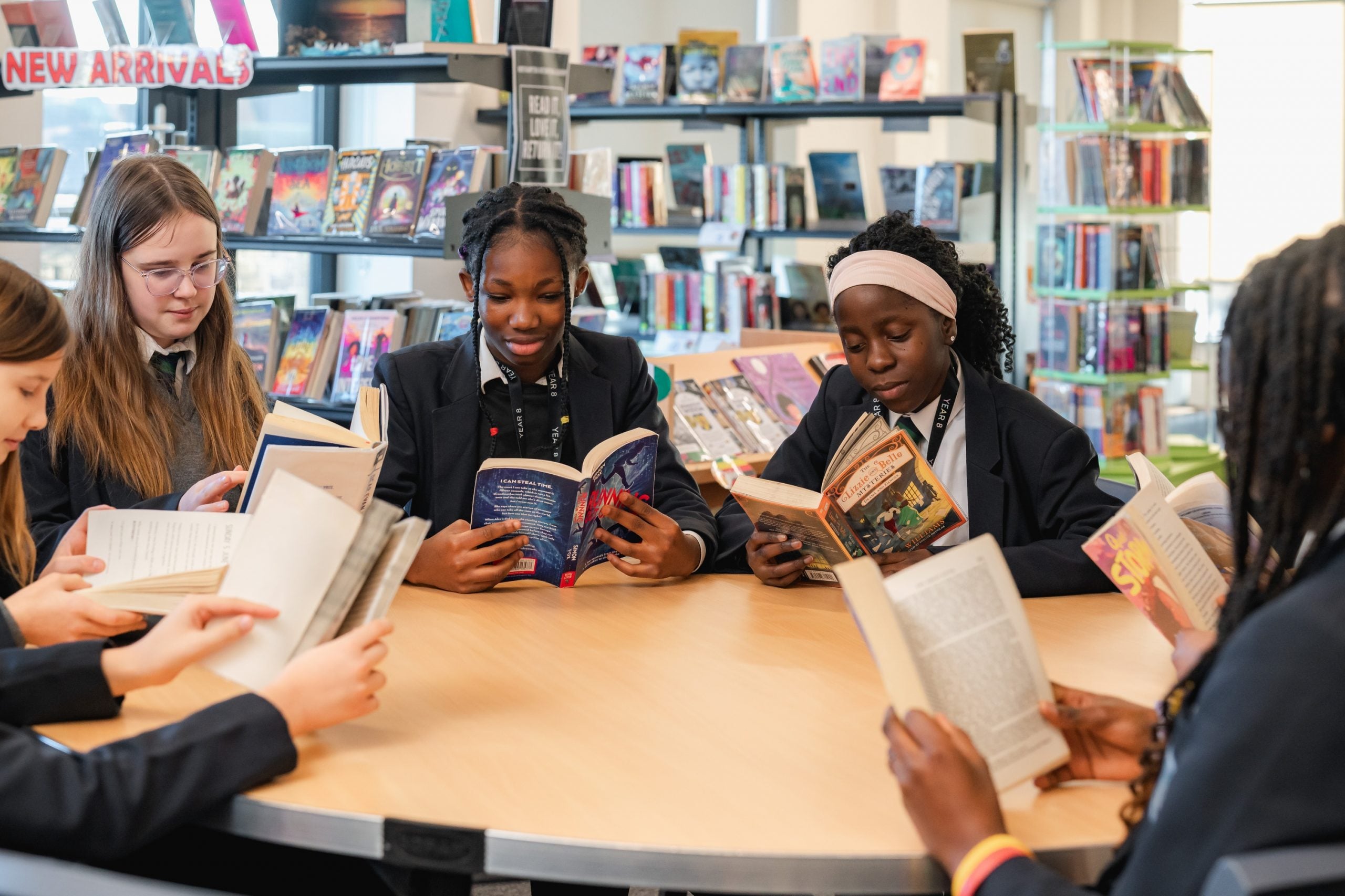
While lots of recent research points towards a steep decline in reading enjoyment among children and young people, we also know that there are many individuals out there who are on positive reading journeys! The School Library Association (SLA) has recently launched the Barrington Stoke Reader of the Year Award, and First News is proud to be its media partner. The award aims to celebrate young readers who have overcome obstacles to discover the joy of reading. The SLA’s Secondary School Librarian of the Year, Julie Broadbent, shares her tips for engaging reluctant readers.
There’s no such thing as the ‘wrong’ book. As adults, we perceive some books as more ‘worthy’ than others. But if your child loves a particular series and won’t read anything else, let them. It means they have started to understand the mechanics of reading and how enjoyable it can be.
If a child has an interest in something – whether that’s fishing, cars, or gaming – that is a hook to get them into reading. A study led by the Open University revealed that non-fiction can significantly boost reading engagement among reluctant readers. And if your child has a strong preference for electronic devices, work with it. Text-heavy video games with a strong and compelling narrative can boost literacy levels and instil a love for stories too.
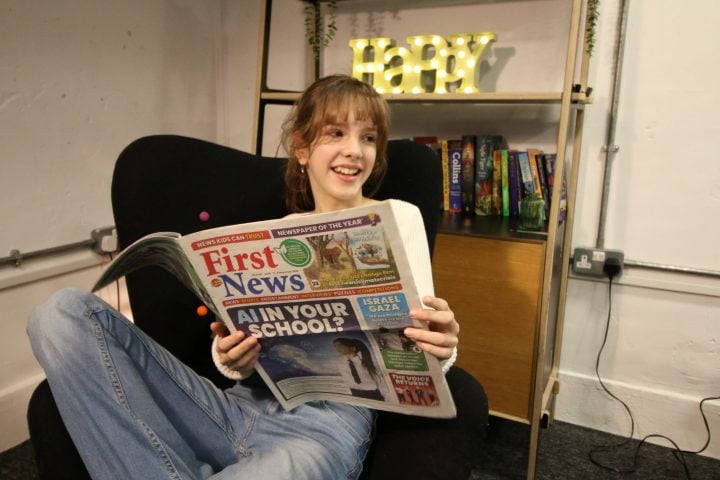
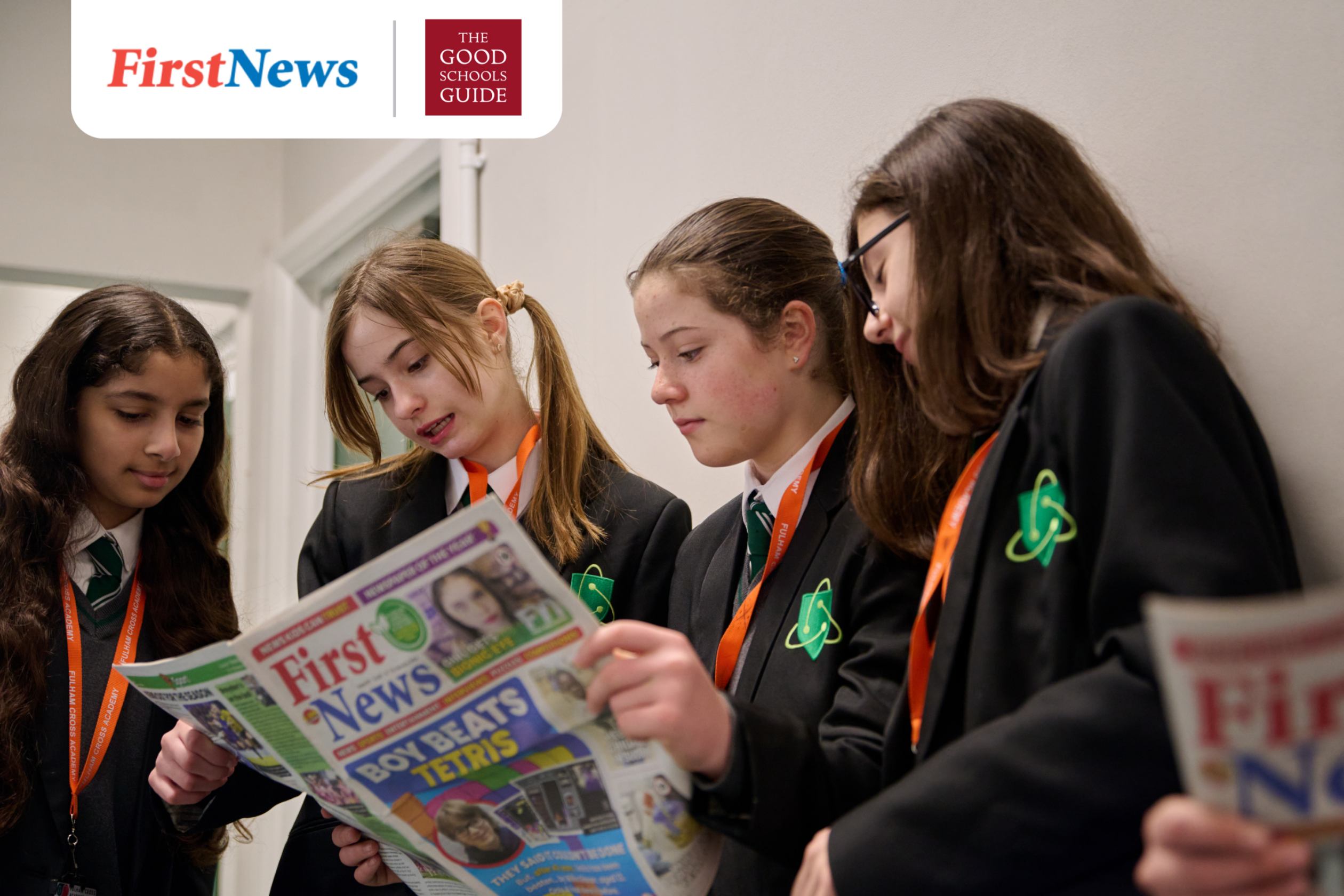
It doesn’t matter what age a child is, you can still read, share or listen to a story together. Sharing stories is powerful. If we want to increase reading for pleasure, what better way to do so than by making it a social activity? Join a reading group at school or your local library, or start one with your friends. Have fun talking about books that you love.
A lot of families can’t afford to buy books regularly, but you can visit the public library as often as you want. When a child visits the library with a parent, a grandparent, a cousin or a friend, it becomes a shared activity and an opportunity to talk about books together. Special events such as book swaps and booknics (where you bring whatever you’re reading to share over a picnic) can be great fun too.
Research shows that young people are more engaged when they see themselves represented in the books they read. Parents and teachers should be wary of simply recommending the books they read as children, as there are so many books to choose from.
There are some great resources out there, such as Book Trust’s Bookfinder, which recommends books based on age and interest. Book awards are also a great source of inspiration – for example, you will find the best new non-fiction for children in the 2026 Information Book Award shortlist.
Reluctant readers can find some books intimidating, so look for shorter texts that are age-appropriate and engaging. Barrington Stoke publish award-winning short stories that are specifically written to be dyslexia-friendly and accessible to all.
Your local independent bookshop will have people who specialise in children’s literature and know what new books are coming out. But the best way to start is by having a chat with the librarian at your public or school library. School librarians are experts in children’s literature and the connections they make with young people can be key to unlocking a love of reading.
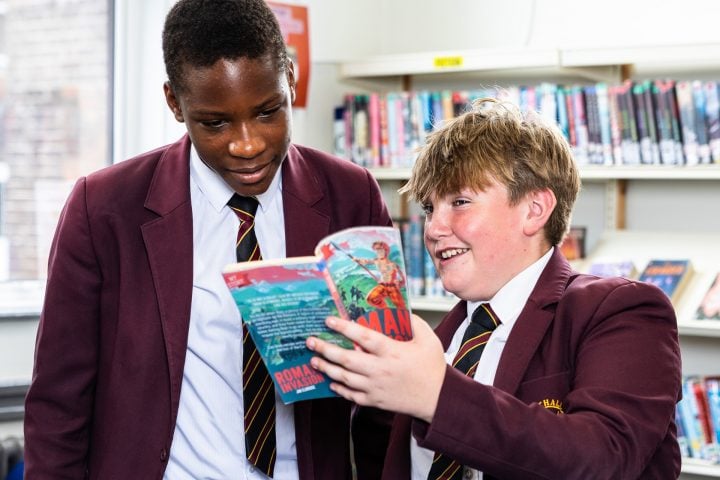
Encourage children to think about why a book doesn’t interest them, rather than simply supplying new ones to try. This helps counteract the assumption that a ‘reader’ is someone who enjoys every book they read. Asking questions about why they’re saying ‘no’ to a book is essential to helping them build their own reader identity and validating their relationship with reading.
Choosing not to read a book because it’s too long, doesn’t have enough illustrations, or because they don’t like the front cover is perfectly valid, as long as children are encouraged to think about their reasoning. Taking the time to examine negative perceptions will make them aware of their own perspective and help identify the things they enjoy.
The Barrington Stoke Reader of the Year Award is the only national award to celebrate young readers. Open to UK pupils in Year 7 and 8, the award will recognise young people who have overcome challenge to discover the joy of reading. The winner will receive £400 worth of Barrington Stoke books for their school library, a £100 book token for themselves, and a digital subscription to First News for both home and school.
Teachers, headteachers and school librarians from across the UK can nominate Year 7 and 8 pupils (S1 and S2 in Scotland) on the SLA’s website. The closing date for nominations is Friday, 15 May.
The winner will be announced at the SLA’s Annual Awards Ceremony, taking place on 18 November 2026.

First News reaches millions of young readers every week, at home and at school. Our age-appropriate news stories and activities spark curiosity, build media and information literacy skills and empower children with the tools to navigate the world.