How to Discuss Divisive News Stories and Protests with Children
Published: 18th May 2026
Updated: 19th May 2026
Published: 18th May 2026
Updated: 19th May 2026
Here are our top tips for discussing protests and supporting the next generation in their media and information literacy skills.
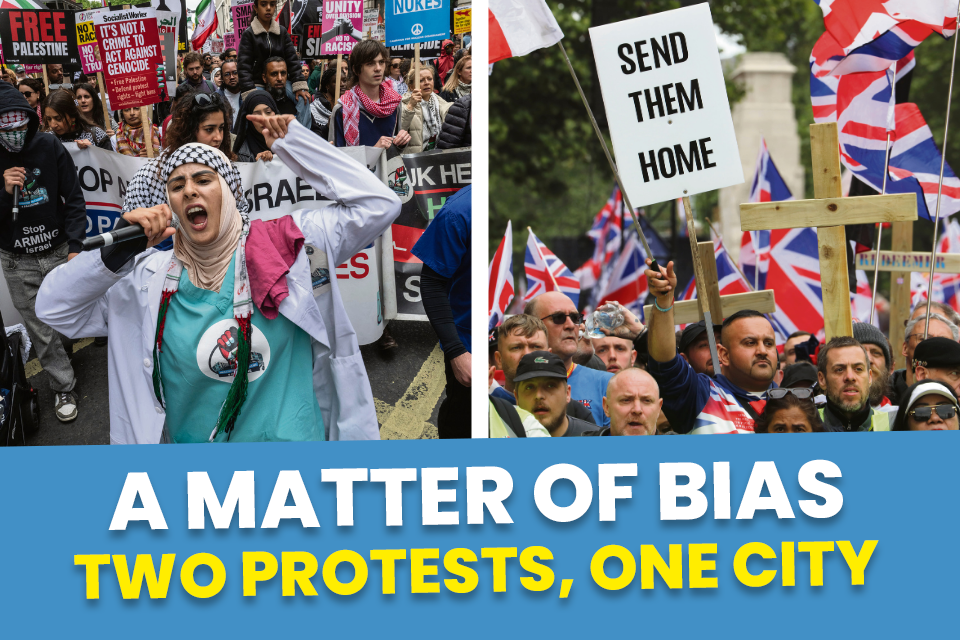
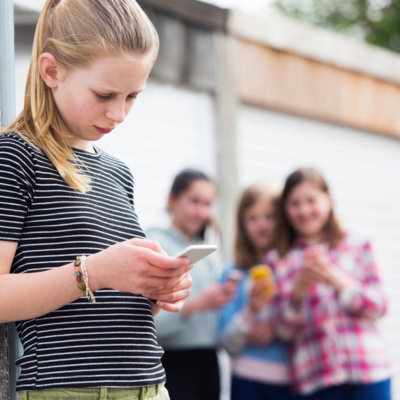
It is highly likely you have come across recent reporting on large-scale protests. We understand that topics like this are challenging to address with young people. Misinformation and disinformation are rife, and with an incredibly polarising topic, it can be hard to know how to navigate talking about the matter in an unbiased, supportive, and informative way.
It’s important to be aware that young people may have encountered strong views about immigration, conflict, refugees, or politics. Any discussion could quickly move into personal or upsetting areas and will require sensitive moderation. If you are a teacher, be aware of who your safeguarding and Prevent leads are, if you fear any children are at risk. Equally, if you are a parent, and you are concerned your child has heard this from peers, speak to your school contact. They will be able to signpost you.
At First News, we’re passionate about delivering age-appropriate news for children and young people, which doesn’t shy away from hard topics. We don’t believe in shutting conversations down – but rather, navigating them with integrity.

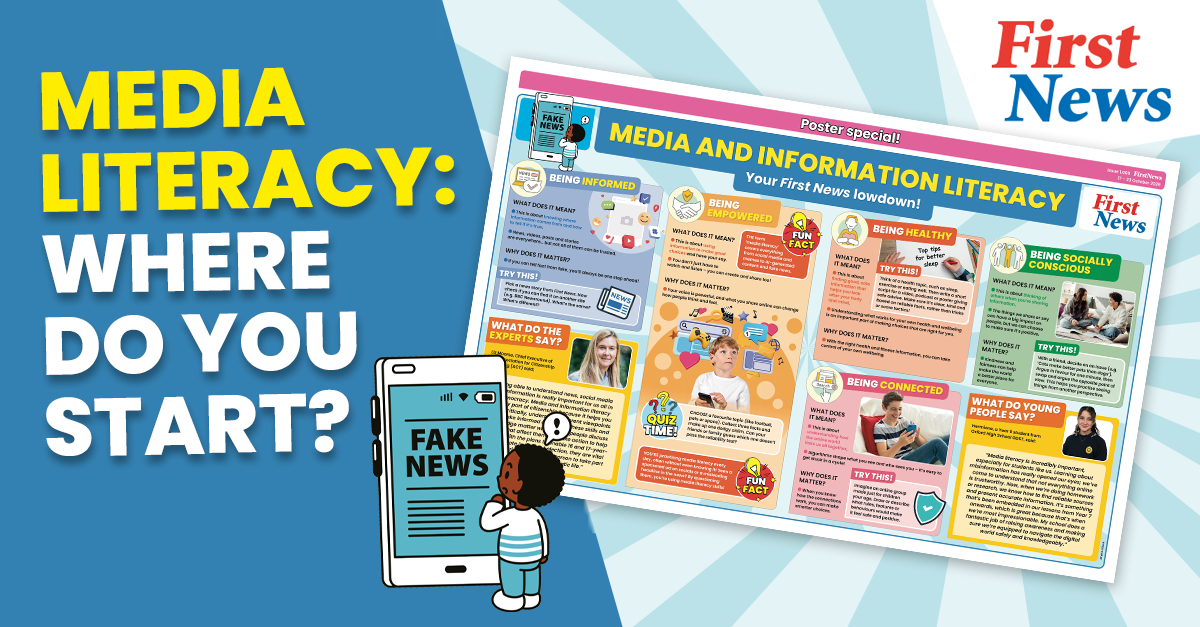
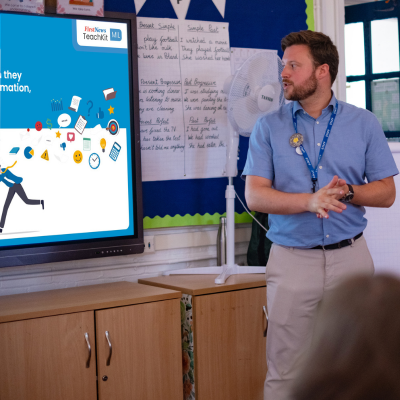
Educators: for full teaching packs linked to the latest news, including our new Level 3 resource on protests, bias and evaluating information, try First News TeachKit: Media & Information Literacy for free. TeachKit: MIL provides everything you need to help pupils navigate today’s complex information landscape, and grow into confident, responsible creators, contributors and sharers.
First News reaches millions of young readers every week, at home and at school. Our age-appropriate news stories and activities spark curiosity, build media and information literacy skills and empower children with the tools to navigate the world.