AI Chatbots: A Parent’s Guide
Published: 19th March 2026
Updated: 26th March 2026
Published: 19th March 2026
Updated: 26th March 2026
First News and Vodafone have partnered to highlight the risks of using AI chatbots and provide parents and educators with support in these discussions with children.
Vodafone’s research shows that AI chatbots are becoming a part of everyday life for young people, with 81% of 11 to 16-year-olds using the tech.
As AI becomes more present in young people’s lives, it is important to encourage conversations between family and friends about how the technology can be used safely, while highlighting the benefits and risks of using chatbots.
This guide brings together key ideas to help you start those conversations at home and school to develop crucial media literacy skills among young people.
AI chatbots are being designed to have conversations with us. They can answer questions quickly and explain tricky topics. But even though chatbots can sound friendly and human-like, they aren’t real people, and it is important to emphasise that they shouldn’t replace our own judgment, feelings and choices.
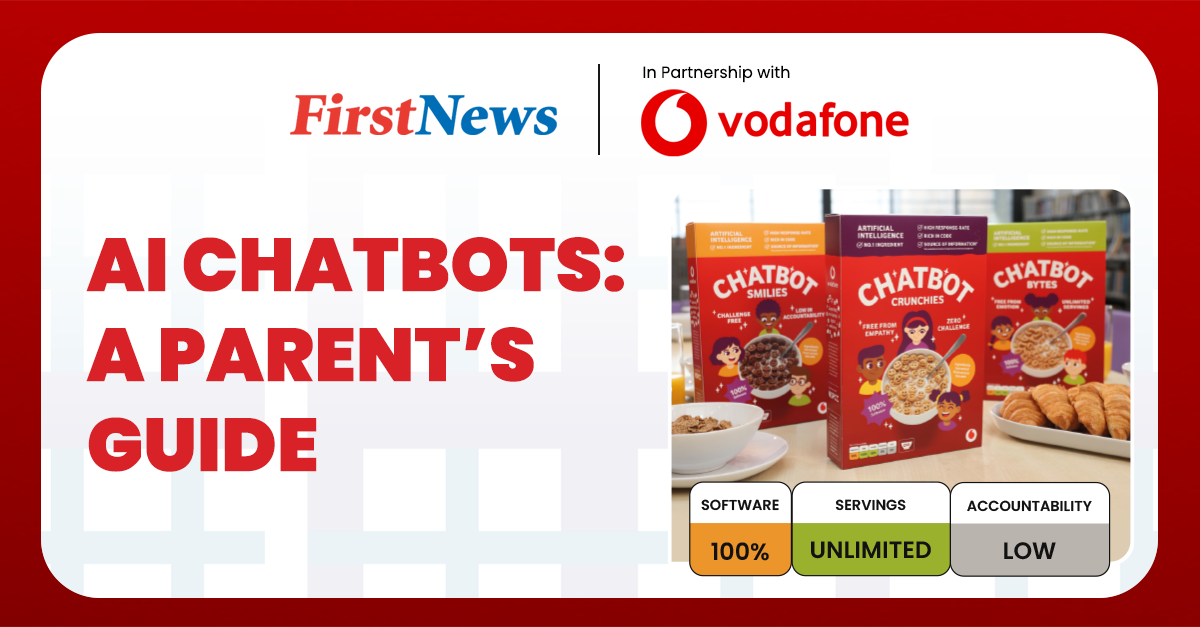
One way for children to understand AI chatbots is by thinking about it as a recipe.
AI chatbots are made from:
These ingredients help AI to:
But, there are some key missing ingredients:
This is a crucial point for children to understand. Even if an AI chatbot sounds friendly or supportive, it doesn’t understand feelings or situations.
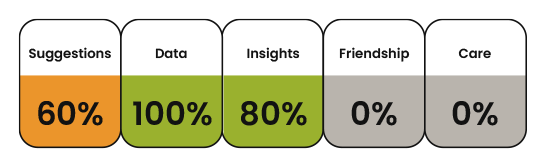
It’s important we hear lots of different opinions and ideas and still think for ourselves and make our own decisions.
Vodafone and NSPCC have put together some top tips to help kids understand how to use AI chatbots safely. You could use these as discussion points at home or in the classroom:
If you’re looking for some discussion prompts, ask your kids whether they’d turn to a chatbot or a human in these situations and discuss the positives or challenges of those decisions. This helps to form boundaries:
Share this top tip with your kids:
AI can be a useful tool, if used in the right way. However, it’s important to know that chatbots don’t have emotions, real thoughts or empathy (the ability to understand another’s feelings), and can’t replace the understanding and support we get from friends, family and teachers. If something is worrying you or you need advice, you should always talk to a trusted adult.
For more support and guidance on AI chatbots, parents can explore additional resources and advice from Vodafone here.
Educators can download our free KS2, KS3 and assembly resources, made with Vodafone, to teach young people the risks of using AI chatbots.
Plus, subscribe to First News to read more in our weekly newspaper!
First News reaches millions of young readers every week, at home and at school. Our age-appropriate news stories and activities spark curiosity, build media and information literacy skills and empower children with the tools to navigate the world.