5 Ways Current Affairs Can Boost Your Child’s School Success Rate According to The Good Schools Guide
Published: 3rd February 2026
Updated: 5th March 2026
Published: 3rd February 2026
Updated: 5th March 2026
The Good Schools Guide reveals how reading current affairs and trusted news sources like First News can boost children’s literacy and school success.
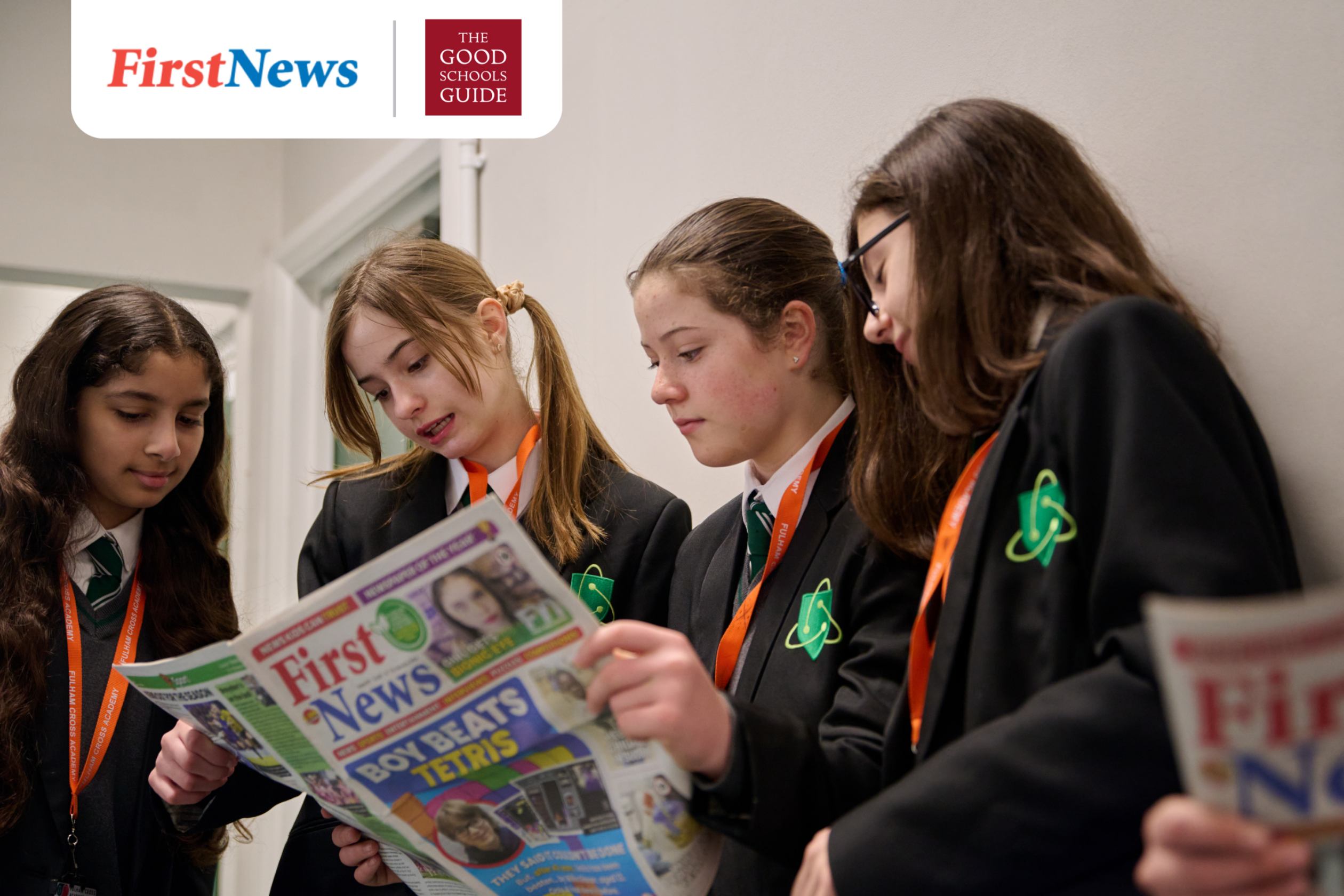

The Good Schools Guide has been reviewing schools and supporting families with their children’s education for 40 years. Managing editor Melanie Sanderson tells us why a passion for current affairs will get your child off to a flying start at secondary school.
When your child is preparing to transition from primary to secondary school, being up to speed on the latest current affairs and reading from trusted journalistic sources, like First News, can be highly advantageous. The best schools reviewed by us have a focus on fostering curiosity beyond the classroom because they know the benefits of reading regularly and developing a broad understanding of the world.
In this era of reduced attention spans, doom-scrolling and fake news, instilling media literacy and an interest in current affairs in young children is a vital part of a holistic education and preparation for life. Here are five reasons why:
Knowledge of current affairs strengthens critical thinking and reasoning; it encourages questioning, e.g., why something happened; what is the background; who stands to benefit; what alternatives are there? It supports cross-curricular learning and reinforces why what your child is learning at school matters.
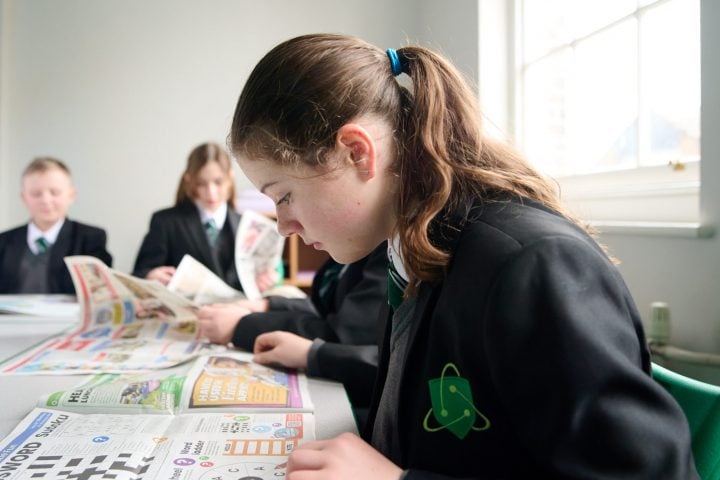
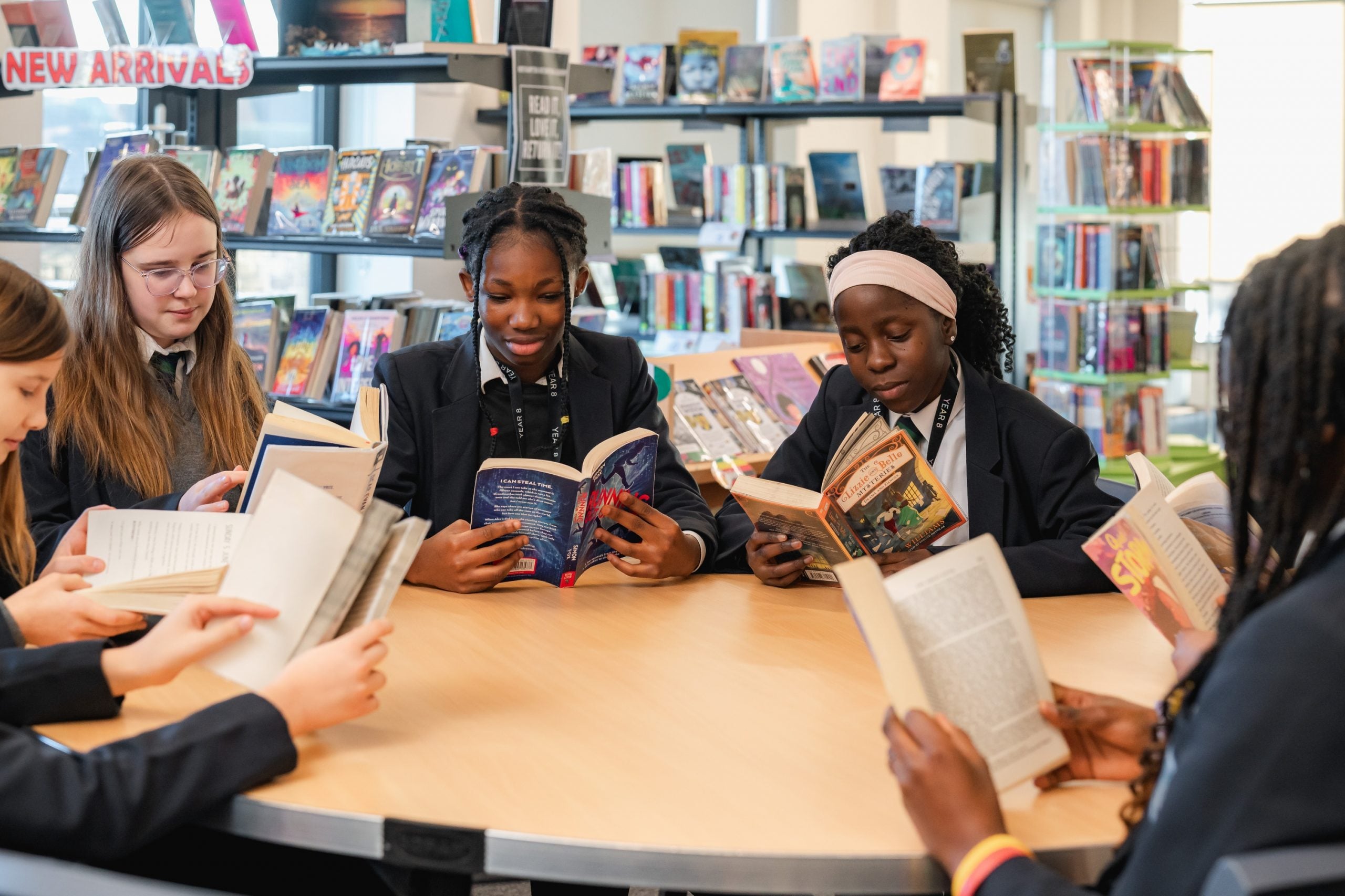
In the digital age, a love of reading for pleasure is in decline. 33 per cent of seven–year–olds say they ‘love’ reading, but this drops to 25 per cent by age 11*. Bite-sized chunks of interesting information that they can dip in and out of are great to keep literacy skills up.
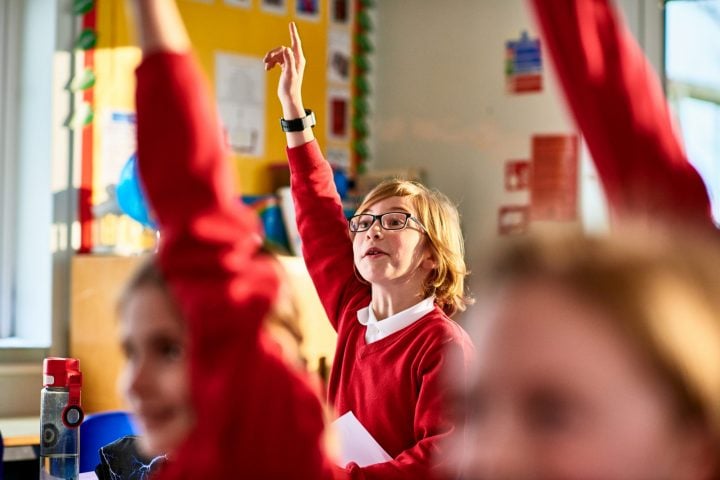
Discussing what your child has read improves oracy and classroom participation. Articulating opinions, listening and responding to others and using evidence to justify their views – not just repeating what they have seen on TikTok – will enhance their academic efforts and stand them in good stead for most future careers.
Reading the news can help improve writing quality across different contexts – e.g., persuasive letters, balanced arguments, reports, explanation as well as exposing them to well-written and well-structured prose, not always found in children’s literature! Reading about current affairs exposes children to rich, real-world language and is a key cornerstone of academic success.
Being exposed to the challenges the world faces, politically, economically, and environmentally, can quietly shape a child’s view of what matters in the world and where they might fit in. It can shape their sense of what jobs exist and nudge them toward particular career paths. In short, reading the news helps children connect what they learn, what they care about, and what they might become.
The Good Schools Guide writes about all types of schools – state, private, senior, junior, online schools and schools for children with special needs. To read in-depth and impartial reviews of good schools in your area, visit The Good Schools Guide and use code FN2650 to enjoy 50% off access.
*source: National Literacy Trust
First News reaches millions of young readers every week, at home and at school. Our age-appropriate news stories and activities spark curiosity, build media and information literacy skills and empower children with the tools to navigate the world.